
Accounts Receivable – Build Your System
Accounts Receivable – Build Your System
Collection Prevention Part 6

Your Mission Should You Choose to Accept It
Your objective as a professional accounts receivable collector is to contact every customer with a late invoice to find out if they have the invoice and when they plan to pay it.
Then document what they say, ideally in a searchable CRM as opposed to Outlook, your accounting software, or making notes on the aging. Your intent is to track the invoice until it is, in fact, paid.
We want to accomplish this objective with as little effort as possible, in as little time as possible, using as few resources as possible, all without damaging your relationship with your customers or your salespeople. Let’s get started.
Must-Have Tools for Successful Collections
Must-Have Tool #1 – Accounting Software
You’ve got to have an accounting package. It automates tasks and provides real-time financial data to track invoices and monitor payments. Accurate and timely data ensures prompt action on overdue accounts, preventing debts from slipping through the cracks.
With the right software, you can generate detailed reports and analytics to improve collection strategies, integrate with other systems for seamless follow-up, and reduce administrative burdens.
The bottom line is that the right accounting software enhances accuracy, efficiency, and effectiveness, improving cash flow and financial health.
Why Immediate Cash Posting Enhances Collections Efficiency
Immediate posting of cash is crucial for increasing the efficiency of your collections process. Here’s how it makes a difference:
- Accurate Aging: When cash is posted promptly, your billing systems and, therefore, your aging reflect the most up-to-date payment status. This means your collections team can avoid awkward and time-consuming situations where they mistakenly contact customers who have already settled their invoices.
- Improved Customer Relations: Nothing frustrates customers more than receiving calls about overdue payments they have already made. By ensuring that all payments are posted immediately, you enhance the customer experience, fostering goodwill and trust in your brand.
- Better Cash Flow Management: Immediate cash posting helps your finance team get a clear picture of your company’s cash flow in real-time. This allows for more accurate financial planning and decision-making and ensures that resources are allocated efficiently.
- Enhanced Team Productivity: Collections staff can focus on engaging with customers who genuinely need reminders about their payments rather than wasting time and resources on those who are already compliant. This boosts overall productivity and helps meet collection targets more effectively.
- Reduced Administrative Errors: Delayed posting can result in discrepancies between what’s recorded and what’s actually received, increasing the risk of errors. By posting cash immediately, you minimize these discrepancies, leading to more accurate records and less backtracking to correct mistakes.
Immediate cash posting is not just a procedural step but a strategic move that enhances collections efficiency, optimizes cash flow, and improves customer relations.
Must-Have Tool #2 – Accounts Receivable Aging Report
I’ve written before about the importance of your accounts receivable aging report; it bears repeating because it’s so important to the collection process.
What is an Accounts Receivable Aging Report?
An accounts receivable aging (AR aging) report categorizes a company’s accounts receivable according to the length of time an invoice has been outstanding. The aging report is the primary tool used by collections personnel to determine which invoices are overdue and need collection effort.
Why Use Your Aging?
It’s more accurate than your memory and faster than your filing cabinet – even an electronic one.
Key Components of an Accounts Receivable Aging Report:
- Customer Name: Lists the customers with outstanding balances
- Invoice Date: The date the invoice was issued.
- Invoice Number: A unique identifier for each invoice.
- Invoice Amount: The total amount due on each invoice.
- Aging Categories: The report divides receivables into time buckets, typically:
- – Current (0-30 days)
- – 31-60 days past due
- – 61-90 days past due
- – Over 90 days past due/
Sample Aging Report
Accounts receivable aging reports can vary significantly in both format and the level of detail provided, but the core components we listed above are always there. Additionally, the frequency of report generation can differ, with some businesses generating daily reports while others may produce them weekly or monthly. For example, the report in the image below is an open invoices report from Quickbooks.
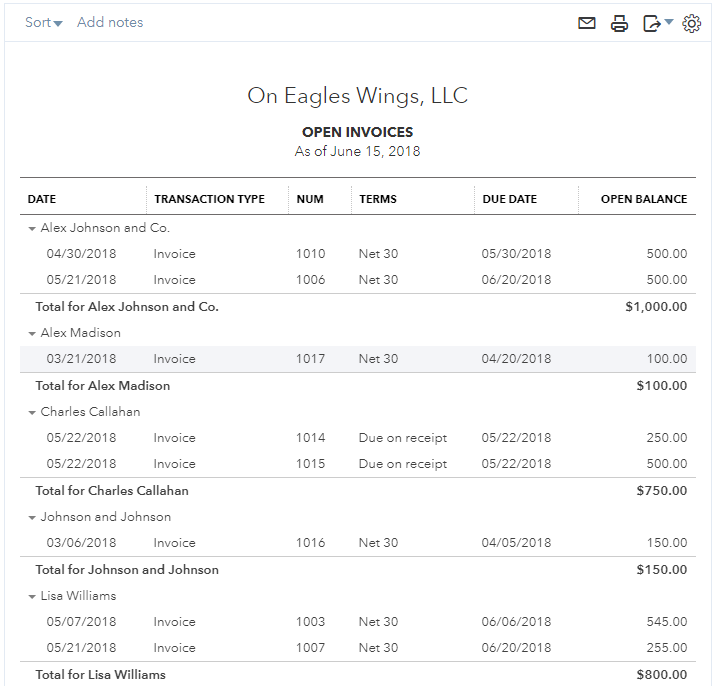
While the next image shows a summary aging, also from QuickBooks. This format allows you to calculate the percentage of receivables in each aging bucket. This provides valuable insight into the distribution of your outstanding invoices, which helps to prioritize collection efforts and avoid cash flow issues.

Must-Have Tool #3 – A CRM 

Why Use a CRM
CRM stands for customer relationship management for good reason. A good CRM makes recording, storing, and, most importantly, finding your documentation when you need it, possible.
Good documentation is crucial for accounts receivable collectors as it underpins the entire collection process, ensuring accuracy, consistent communication, and legal compliance.
More on Why You Need Good Documentation
- Accuracy and Accountability: Thorough documentation is our key to maintaining accurate records of all transactions, communications, and actions related to a customer’s account. This accuracy is vital for tracking outstanding balances, payment history, and disputes or agreements. It ensures collectors have a clear and complete picture of each account, significantly reducing the likelihood of errors and misunderstandings and boosting confidence in the accuracy of our work.
- Consistent Communication: With detailed documentation, multiple team members can work on the same account without losing continuity. It ensures that all team members are informed about the current status of an account, leading to consistent and professional communication with the customer.
- Efficiency in Collections: Good documentation allows collectors to quickly access pertinent information, such as past due amounts, payment promises, and previous conversations with the customer.
- Improved Customer Relations: Documenting all customer interactions and payment agreements not only fosters trust and professionalism but also reassures customers of our commitment to fair and transparent dealings. It enables collectors to provide customers with clear, consistent, and factual information, which can help them negotiate payment plans and resolve disputes amicably.
- Legal Protection: In the event of a dispute or legal action, well-maintained documentation serves as evidence of the company’s efforts to collect the debt. It can include records of invoices sent, reminders issued, and communications with the customer. Proper documentation protects the company by demonstrating that it followed appropriate procedures and complied with relevant laws and regulations.
Benefits of Using a CRM for Documentation
Using Customer Relationship Management (CRM) software for managing collection efforts offers several benefits over random notes, Outlook, or notes on a spreadsheet. Here are the most important of them:
- Centralized Data Management: With all customer interactions logged in the CRM, team members can approach customers with a full understanding of their history, leading to more personalized and effective communication. This can improve customer relations and increase the likelihood of timely payments.
- Improved Communication: With all customer interactions logged in the CRM, team members can approach customers with a full understanding of their history, leading to more personalized and effective communication. This can improve customer relations and increase the likelihood of timely payments.
- Enhanced Collaboration: A CRM fosters collaboration between sales, customer service, and collections teams by providing a shared view of customer information. This ensures that all departments are aligned and can work together more effectively to resolve payment issues.
- Task Tracking: Effective documentation includes tracking all tasks related to the collection process, such as follow-up call dates, emails, and conversations. Tracking tasks ensures that the next steps aren’t overlooked and minimizes the need to revisit the details of the issue. It helps collectors manage their workload, prioritize tasks based on urgency, and maintain a consistent follow-up schedule. By keeping a detailed record of completed and pending tasks, you can stay organized and improve overall efficiency in the collections process.
- Automated Reminders: CRMs can automate payment reminders and follow-up communications, reducing manual task tracking and ensuring that customers are consistently reminded of overdue payments.
- Integration with Other Systems: Many CRMs integrate seamlessly with accounting software, enabling real-time updates and synchronization between accounts receivable and collection activities. Again ensuring consistency reducing the risk of errors.
The Bottom Line on Tool #3 – Use a CRM
Good documentation is the backbone of effective accounts receivable management. It supports accuracy, legal compliance, and efficiency while enhancing communication and customer relationships. Using a CRM to manage your collections documentation enhances communication and provides valuable insights, leading to faster and more efficient collection of receivables.
 Must-Have Tool #4 – Email
 Must-Have Tool #4 – Email
Email is essential in the accounts receivable collections process for many of the same reasons we rely on a CRM, along with some additional benefits. Here are a few reasons you’ll want to start your collection efforts with an email.
- Professional Courtesy: Rather than interrupting accounts payable personnel with a phone call on your time, start the conversation with an email and allow them the opportunity to reply at a convenient time for them. Assume good intentions, such as not receiving or overlooking the invoice rather than ignoring it.
- Documentation: Email provides a written record of all communications related to your collection matter. This documentation is crucial not only for tracking collection progress and resolving disputes but also for maintaining a written record of any promises made by the debtor, ensuring accountability, and providing evidence if needed.
- Impact & Results: When a debtor commits to a promise in writing, it adds a layer of commitment to their obligation. The act of putting a promise in writing often makes the debtor more aware of their responsibilities, reducing the likelihood of default or delay. It serves as a psychological reminder of their commitment, increasing the chances that they will follow through with their payment plan or agreed-upon terms.
- Efficient Communication: Email allows for quick and direct communication with clients regarding outstanding invoices. It ensures that reminders and notices are delivered promptly, enabling faster resolution of payment issues.
- Attachment of Relevant Documents: In the collections process, it’s often necessary to resend invoices, statements, or other supporting documents. Email allows for the easy attachment and transmission of these documents, streamlining the process.
- Global Reach: Email is accessible across different time zones and geographical locations. This makes it easier to reach international clients and manage collections on a global scale.
- Automated Follow-ups: Many accounts receivable systems can automate email reminders, ensuring that clients receive timely notifications about overdue payments. Automation of routine tasks helps maintain consistent follow-up without requiring constant manual intervention.
- Cost-Effectiveness: Compared to phone calls or postal mail, email is a cost-effective way to send invoice reminders in a timely manner. It reduces the need for physical mailings and long-distance phone charges, particularly when dealing with international clients.
Must-Have Tool #5 – A Telephone 

The telephone remains a powerful tool in the collection process, especially when customers are unresponsive to email. It offers immediate, personal, and flexible communication. It allows for effective negotiation, information gathering, and issue resolution, all while being cost-effective and adaptable to modern technology. Here are some additional benefits of using the telephone for ar collections.
- Direct and Immediate Communication
- Real-Time Interaction: Unlike emails or letters, telephone calls allow for immediate, real-time conversations. This direct interaction can lead to quicker resolutions, as any misunderstandings can be addressed on the spot.
- Personal Connection: A phone call is more personal than other forms of communication. Hearing a human voice can build rapport, making the debtor or customer more likely to engage and cooperate.
- Enhanced Negotiation Opportunities
- Dynamic Conversations: During a phone call, collectors can assess the debtor’s tone and adjust their approach accordingly. This flexibility is crucial for negotiating payment terms or settlements.
- On-the-Spot Solutions: Issues can be resolved more efficiently over the phone, such as agreeing on payment dates and amounts or understanding the debtor’s financial situation.
- Clarification and Information Gathering
- Immediate Clarifications: Debtors/customers can ask questions and get instant answers, reducing confusion and increasing the likelihood of payment.
- Detailed Information Gathering: Collectors can gather more nuanced information about the debtor’s financial situation, which can inform the collection strategy.
- Overcoming Written Communication Barriers
- Reducing Misinterpretations: Written communications can sometimes be misunderstood or ignored. A phone call ensures that the message is clearly communicated and understood.
- Ensuring Receipt of Message: There is no guarantee that emails or letters will be read or received. A phone call provides confirmation that the debtor has received the message.
- Psychological Pressure
- Sense of Urgency: Phone calls can convey a greater sense of urgency than written communication. The debtor may feel more compelled to take immediate action.
- Accountability: Speaking to a person directly can make them feel more accountable for resolving their debt.
- Cost-Effective
- Lower Costs: Telephone calls are generally less expensive than sending physical letters.
- Time Efficiency: A phone call can quickly determine if further action is necessary, saving time and resources that might otherwise be spent on prolonged correspondence.
- Adaptability to Technology
- Integration with CRM Systems: Telephone systems can often be integrated with Customer Relationship Management (CRM) software, allowing for seamless tracking of interactions and follow-ups.
- VoIP and Automated Dialing: Modern technology like Voice over IP (VoIP) and automated dialing systems can make telephone collections more efficient and cost-effective.
 Accounts Receivable Collections Step-by-Step
 Accounts Receivable Collections Step-by-Step
Let’s briefly remember the mission – “We want to collect every invoice large and small as close to the due date as possible with as little effort as possible, in as little time as possible, using as few resources as possible, all without damaging your relationship with your customers or your salespeople. Let’s get started.
First, Establish Your Collection Parameters
If you’ve attended to the previous advice in this bad debt collection prevention series, you will have previously decided and documented in your credit policy when to begin contacting late customers. If not, do it now. We recommend beginning about ten days after the due date has passed. Then follow the steps below;
- Step 1 – Use your aging to locate accounts with past-due invoices.
- Step 2 – Email an inquiry to accounts payable
- Step 3 – Document the inquiry in your CRM
- Step 4 – Schedule a follow-up
- Step 5 – Record results in your CRM as they come in over the next few hours and days
- Step 6 – Attend to customer requests promptly
- Step 7 – Follow up consistently and on time
More on Step 1 – Locate Past Due Customers with Your Aging Report
You may be tempted to contact only the 20% of your customers who have the highest-value invoices, but this can be a costly mistake. These customers are likely already well-managed, with regular communication and possibly even special terms. It’s the remaining 80% of your customer base that requires your attention. Ensuring they are included in your collection efforts is crucial to maintaining a healthy cash flow across all accounts.
More on Step 2 – Start with Email
We discussed the reasons for starting with an email at length earlier in this article. But I also have a couple of tips on how to use them.
There’s no need to get creative with this task. For initial inquiries, you can send the same message with the same subject line to everyone. The only variable should be the invoice number. Consider including the invoice number in your subject line for a ready reference.
I use signature templates in Outlook and Text Expander to make the job easier and faster. You can check the appendix at the end of this article for examples of the emails I send.
More on Step 3 – Document your inquiry in your CRM
If you’ve set this up correctly, the email will be sent from your CRM and automatically recorded. It’s crucial to note every communication attempt—whether successful or not—in your CRM for the reasons mentioned earlier.
More on Step 4 – Schedule your Follow Up
Properly scheduling both your initial call and follow-up calls is key to your effectiveness and success with this and any other accounts receivable collections process.
Mastering Effective Call Scheduling: The ‘Perfect World’ Approach
Give your customer a reasonable amount of time to respond—typically between two and seven days.
I recommend a technique I call ‘Perfect World Scheduling.’ Schedule each call as if it were your only task. Avoid planning calls around when you think you’ll have time, your days off, or vacations. Instead, choose the ideal day and time for the call, as if you had no other obligations.
More on Step 5 – Record Your Results in your CRM
Enable clear communication and efficiency in Step 5 of the accounts receivable collections system by diligently recording return calls and emails in your CRM. While you might think you’ll remember the details of each conversation, having a written record is invaluable. This documentation helps track progress, analyze trends, and ensure transparency within your team. By maintaining accurate records of each interaction and outcome, you are better equipped to make informed decisions as you move forward. Remember, effective communication and meticulous record-keeping are essential components of successful accounts receivable management.
More on Step 6 – Attend to Customer Requests Promptly
When customers request invoice copies, proof of delivery, statements, or other documents, prioritize a swift response. Avoid dismissive replies like “I’ve already sent it”—these are neither productive nor helpful. Instead, simply resend the requested document without hesitation.
Consider adding a friendly touch to your follow-up to ensure the customer receives the information. Rather than demanding a formal read receipt, try a more casual approach. For example, add “Please confirm receipt” to your email subject line. This gentle reminder encourages the customer to acknowledge the document’s arrival without feeling pressured.
Remember, prompt and courteous attention to customer requests improves your accounts receivable process and enhances overall customer satisfaction and relationship management.
More on Step 7 – Follow Up Consistently and On Time
As with most things in business—and in life—the success of your system hinges on consistency and timeliness. This step is about more than just chasing payments; it’s about maintaining professional relationships and ensuring smooth cash flow for your business.
 Consistency – Pavlov and Your Customers
 Consistency – Pavlov and Your Customers
Consistent follow-up is key to fostering what we can refer to as the “Pavlovian effect” in customer behavior. Just as Pavlov’s dogs learned to associate a bell with food, customers who receive regular and predictable follow-ups on outstanding invoices begin to associate their unpaid bills with the expectation of prompt communication from you or your team. Over time, this conditioning can lead to an automatic response where customers prioritize payment to avoid anticipated reminders.
This conditioned behavior improves payment timeliness and fosters a sense of responsibility and accountability in customers. By consistently reinforcing the importance of timely payments, you create a disciplined payment culture where customers recognize that overdue invoices will not be overlooked, ultimately leading to better cash flow management and fewer collection issues.
The Importance of Timeliness
Following up on time is equally critical. Delayed follow-ups can lead to:
- Increased likelihood of late payments
- Potential cash flow issues for your business
- Customers deprioritizing your invoices
- Missed opportunities to address payment concerns early
Summary – The Short Version
Whew, long article for what is essentially a simple if tedious process. Here is the short version:
Best Practices
- Set a Schedule: Create a systematic approach to follow-ups, perhaps weekly or bi-weekly, depending on your business needs.
- Use Multiple Channels: Alternate between emails, phone calls, and even physical mail to ensure your message is received.
- Be Professional Yet Personable: Maintain a courteous tone while being firm about payment expectations.
- Be Consistent: Ensure that your follow-up efforts are regular and predictable, reinforcing the importance of timely communication.
- Be Timely: Respond promptly to customer inquiries and follow up on outstanding payments as soon as they become overdue.
- Document All Interactions: Record each follow-up attempt in your CRM for future reference.
- Offer Solutions: If a customer is struggling to pay, be prepared to discuss payment plans or other arrangements.
Remember the Mission
Collect every invoice as close to the due date as possible with as little effort as possible, in as little time as possible, using as few resources as possible, all without damaging your relationship with your customers or your salespeople.
If you need help, give us a call at 800-201-CA$H (2274).

