
The Truth About Collections

Ben Franklin first said it in 1735 almost 300 years ago – and it’s as true today as it was then. “An Ounce of Prevention is Worth a Pound of Cure”
Average Collection Agency Recovery Rate
The Truth About Collections
Big Truth #1: The average collection agency recovery rate, across the country, is somewhere between 20% and 30%. This was true in 2017 when I first wrote this article and it is true today in 2026. That’s some pretty simple math. On average somewhere between 70% to 80% of accounts turned over for collections are never recovered. Post judgment collections are no better, 75% to 80% of all court judgments go uncollected.
From ChatGPT “In the most recent industry benchmarks available (late 2024–2025), the average recovery rate for U.S. third-party debt collection agencies is generally reported as approximately 20 %–30 % of the total debt placed for collection — meaning agencies recover roughly $20–$30 per $100 of outstanding debt on average. This range appears consistently across multiple recent industry summaries and benchmarks.”
 Industry Benchmarks
 Industry Benchmarks
Obviously, industry matters. What works for a property manager is different than what works for a medical practice, a contractor, or a professional service firm. The billing cycles are different. The leverage is different. The rules are different.
But here’s the part people don’t like to hear: the end result doesn’t change very much. Across industries, average collection rates still hover around 20%–30%. Once an account is sent to collections, most of the outcome is already determined.
That’s why industry benchmarks matter — not as a target, but as a reality check. If the majority of money placed with collection agencies is never recovered, the smart move is to focus earlier in the process. Clear terms, consistent follow-up, and early intervention outperform even the best collection efforts.
The tactics may vary by industry. The principle doesn’t. Here are some stats:
- Property Management (Residential & Small Commercial):
Approximately 20%–40%
Debt recovery tends to be higher than the overall average due to lease agreements, prior possession, and clearer documentation — but still far from guaranteed once accounts reach collections. Recovery outcomes are strongest when property managers act close to the due date, while debt age is low, using internal efforts or payment plans before accounts are turned over to collection services or require legal action. - Medical Practices (Healthcare):
Approximately 15%–25%
Insurance disputes, financial hardship, and regulatory constraints keep recovery rates below the national average. As balances age beyond the due date, internal efforts, payment plans, and clear communication become critical, since collection services and legal proceedings in the healthcare sector are costly, tightly regulated, and produce lower success rates. - Dental Practices:
Approximately 20%–30%
Slightly stronger than general medical collections due to clearer patient responsibility and elective procedures, but still subject to consumer debt limitations. Once the due date passes, recovery depends heavily on internal efforts, since consumer debt collection in dental practices operates under strict regulations and delivers lower average success rates as debt age increases. - Trades / Construction / Home Services:
Approximately 30%–60%
Commercial invoices, lien rights, and business-to-business leverage improve recovery — especially on newer accounts. Results decline as invoices move further past terms, making early escalation, accurate documentation, and the cost-benefit of contingency fee collection services key factors in determining whether legal action makes economic sense. - Trade Schools / Private Education / Vocational Programs:
Approximately 20%–35%
Contract-based tuition obligations help, but student financial stress and regulatory issues cap recoveries. As accounts progress through billing cycles, recovery is shaped by debt type, payment flexibility, and communication channels, with rising collection costs and regulatory oversight limiting the effectiveness of business collections over time. - Veterinary Practices:
Approximately 15%–25%
Similar to healthcare and dental, with emotional factors and discretionary spending limiting post-service collections. In practice, services are often provided before payment is secured, and once the pet is released, recovery rates look much like healthcare and dental collections. - Professional Services (B2B):
Approximately 40%–70%
Strong documentation, repeat business relationships, and commercial pressure make this one of the highest-performing categories, when accounts are placed early. Because balances are typically tied to documented services and ongoing relationships, early placement with commercial debt collection services often avoids the higher collection costs and legal proceedings associated with older, disputed invoices..
Sources: Industry recovery-rate benchmarks published by third-party collection agencies and payment platforms, including Tratta, Advanced Capital Recovery, and similar industry analyses. Reported ranges are consistent across multiple sources and reflect national averages for accounts placed with collection agencies.
That brings me to the drum I’m always beating …. Preventing collection problems before they occur is the most cost effective, least stressful option available to small business owners. It’s better than the best collection agency or the friendliest court. At Cash In we call it Collection Prevention. Everyone else calls it Accounts Receivable Collections, we’re good with that too:)
Accounts Receivable Collections
The Truth About Collections
Big Truth #2 – And to bring this full circle, collections recovery rates depend as much on what you do before an account becomes delinquent as they do on what the agency does after you submit it. Starting with incorrect or delayed invoicing, unclear terms, lack of, or poor communication and documentation, and inconsistent and sometimes non-existent follow-up. Whether these gaps come from neglect or competing priorities the result is the same, balances age, cash flow suffers and avoidable risk is created.
Big Truth #3 – Even when you do the work, there is almost always at least 1 difficult customer not paying at all and one (usually your biggest) not paying on time.
Negotiating Settlements with Clients Who Refuse to Pay 

Negotiating settlements with clients who refuse to pay can be a challenging yet vital aspect of the collections process. When faced with stubborn debtors, it’s important to approach negotiations with empathy and flexibility. Understanding the reasons behind a client’s inability to pay can inform your strategy; perhaps they are experiencing financial hardship or are dissatisfied with the service rendered.
Start by listening. When unhappy customers feel heard and understood, they’re more likely to be reasonable. Strive for collaboration over confrontation. The goal is to find common ground that leads to recovery without further damaging the client relationship.
 When To Hire a Debt Collection Agency?
 When To Hire a Debt Collection Agency?
I don’t think I can say it any better than the Association of Credit and Collections Professionals who state “that for every 30 days an account remains unworked, the amount due is 16 percent less likely to be collected. Although the appropriate time to place an account for collection can vary, there’s no benefit to inactivity. Taking action and defining specific next steps ensures no time is wasted.”
But if you’d like to hear more about what I have to say about it you can click to read this article
Factors That Influence Collection Results
We’ve tried to stress throughout this article that recovery rates are shaped long before an account is placed for collections. The details behind the balance — who owes it, how old it is, and where it is being collected — all affect what happens next.
Commercial vs. Consumer Debt
Commercial accounts often resolve at higher rates. Businesses that operate with defined payment terms, documented transactions, and ongoing attention to process, and customer relationships are likely to see the best results.
Consumer accounts follow a different path. Disputes are more common, emotions run high, documentation is often limited, and financial capacity varies from one account to the next. Communication tends to require more time and more structure and this will be reflected in results.
Age of the Account 
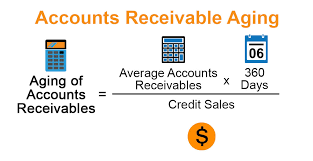
Time is one of the strongest predictors of outcome. As balances move past their due dates without consistent follow-up, contact becomes more difficult, documentation becomes less accessible, memories adjust and priorities shift.
Early, scheduled follow-up produces the best possible result. Once an account reaches the two-year range, resolution becomes less likely and options narrow.
 State Requirements and Compliance
 State Requirements and Compliance
Collection activity follows state-specific timelines, notice requirements, and communication standards. Those statutes determine what an agency can and cannot do on your behalf.
Protect yourself and your client by partnering with an agency that maintains active compliance in your state and supports that process with an internal legal function.
Economic Conditions
Economic conditions influence payment patterns. As cash flow tightens, pay cycles extend, balances age, and resolution slows. Those shifts affect both commercial and consumer accounts and should be factored into expectations, timing, and escalation strategy.
Summary 

Recovery rates reflect process. The type of account, the age of the balance, and the environment in which it is collected all influence the outcome, yet the strongest variable remains the structure that exists before placement.
Clear terms, accurate invoicing, documented communication, and scheduled follow-up keep accounts from aging into the category where options narrow and expectations shift. When escalation becomes necessary, results improve when the account is placed with an agency that operates within state requirements, maintains compliance through a defined legal framework, and follows a consistent progression.
Collections performance begins inside the accounts receivable system. The agency’s work determines what can be recovered. The internal process determines how much reaches that stage.

