
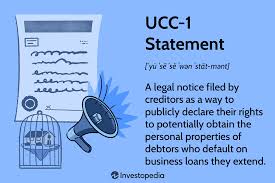
How Smart Businesses Use UCC Filings
 It’s Not as Complicated as It Sounds
 It’s Not as Complicated as It Sounds
At first glance, UCC filings sound complicated, with cryptic codes, hidden clauses, and a secret handshake only bankers know. But in reality, it’s just a fancy way of saying, “Hey, this asset is mine until you pay me!” Think of it like putting a giant “Reserved” sign on your debtor’s stuff so no one else can snatch it before you get paid. If you can fill out a DMV form without crying, you can handle a UCC-1 filing.
In this article, we will explore the key aspects—who, what, why, where, and how—of using UCC filings to prevent bad debt losses.”
Let’s break it down.
What is the UCC?
The Uniform Commercial Code (UCC) is a set of standardized laws that govern commercial transactions across the United States. It is not a federal statute; rather, it is a state law that has been adopted by all 50 states.
It was created to provide a consistent legal framework for businesses operating across state lines or in multiple states, ensuring that financial contracts and transactions are handled similarly nationwide.
The UCC consists of nine articles covering various aspects of commerce, including sales, leases, banking, and secured transactions. It does not regulate real property transactions, but rather focuses on personal property and negotiable instruments, such as checks and banknotes.
What is a UCC Filing?
A UCC filing is a legal document that a creditor files to notify the public of its interest in the personal or business property of a debtor. It is important because it establishes priority in case the debtor goes bankrupt or defaults, increasing the likelihood of the creditor’s claim being resolved successfully.
How UCC Filings Can Strengthen Debt Collection
A properly filed UCC-1 Financing Statement gives creditors a secured interest in a debtor’s assets, providing several advantages in debt recovery:
1. Converts Unsecured Debt into Secured Debt
- Many debts, especially in B2B transactions, are unsecured.
- A UCC-1 filing secures assets, making the creditor a priority claimant in case of default or bankruptcy.
- This significantly increases the likelihood of recovery compared to unsecured debts.
📌 Example: A supplier extends $100,000 in goods on credit but doesn’t file a UCC-1. If the debtor defaults, the supplier becomes an unsecured creditor, competing with others for repayment. Had they filed a UCC-1, they would have priority over unsecured creditors.
2. May Encourage Faster Payment
- A recorded UCC lien becomes part of public records, which may affect the debtor’s ability to secure future credit.
- Many businesses prioritize paying secured creditors to maintain their borrowing power.
3. Provides a Legal Basis for Asset Seizure
- A UCC filing allows a creditor to repossess or liquidate collateral if a debtor fails to pay.
- This is faster and cheaper than going through lengthy litigation.
📌 Example: A lender files a UCC-1 against a company’s equipment. If the company defaults, the lender has the right to seize and sell the equipment without a lawsuit.
4. Strengthens Legal Action
- If legal action becomes necessary, having a perfected UCC filing strengthens the creditor’s claim, and courts recognize UCC filings as valid proof of a secured interest, thereby increasing the likelihood of a favorable judgment.
📌 Example: A collection agency representing a secured creditor can use the UCC filing as evidence in court, strengthening its case for asset recovery.
5. Improves Position in Bankruptcy Cases
- If a debtor declares bankruptcy, secured creditors with UCC filings are paid before unsecured creditors.
- Without a UCC filing, the debt may be discharged, leaving the creditor with little to no recovery.
How Small Business Creditors Can Use UCC Filings
A business can (and should) file a UCC-1 financing statement in situations like these (and plenty more) to lock in its legal rights and protect its stake in the collateral:
1. When Extending Secured Credit
If you’re lending money or offering credit backed by a borrower’s assets—whether it’s equipment, inventory, or accounts receivable—you’ll want to file a UCC-1. This locks in your claim to the collateral, making sure you’re first in line if the borrower defaults or files for bankruptcy. [1][2][4]
2. At the Time of Loan Origination
The best time to file a UCC-1? Right when the loan is issued. Under the “first-to-file” rule, whoever files first gets first dibs on the collateral. Waiting too long could mean another creditor swoops in and takes priority, leaving you stuck in the back of the line. [4][7]
3. Before Entering into Competitive Lending Arrangements
When multiple lenders are in the mix, timing is everything. Filing a UCC-1 early secures your spot at the front of the line, ensuring you get paid before other creditors. This is especially crucial in asset-based lending or factoring, where collateral gets passed around like a game of hot potato.[4][5]
4. When Collateral Is Specific or Tangible
If the deal involves something you can touch, like equipment, machinery, or fixtures, you’ll want to file the UCC-1 right away and in the correct location (state or county). That’s how you “perfect” your security interest and make it official, so no one else can claim your stuff later.
5. During Mergers, Acquisitions, or Business Transactions
If you’re financing part of a business sale, especially when assets are involved, filing a UCC-1 is a must. It locks in your rights and makes sure everyone knows you’ve got a secured claim in the deal. Whether it’s a full-blown acquisition or just a major asset transfer, this filing helps avoid future disputes and puts your interest on public record, right where it belongs.
6. To Maintain Legal Compliance
In certain situations, especially when securing loans with business assets, filing a UCC-1 isn’t just smart—it’s required by law. Some state and federal regulations call for it to make the security interest official. Filing proactively not only keeps you compliant, it also protects your claim, locks in your priority, and gives you solid legal footing if things go sideways.
Where to Complete a UCC Filing? 

If you’re preparing to file a UCC-1 Financing Statement, it’s important to know that filings are governed by the location of the debtor, not the creditor. The Uniform Commercial Code (UCC) outlines specific rules based on the type of debtor involved. Here’s how it breaks down:
Registered Organizations (Corporations, LLCs, etc.)
File with the central filing office of the state in which the entity is legally organized. This is usually the Secretary of State.
Source: UCC § 9-307
💡 Example: If a Delaware LLC has offices in California and Texas, the UCC-1 is still filed in Delaware, because that’s where the business is legally formed.
Individuals
File in the state of the debtor’s principal residence. The county is not relevant unless your state still uses a county-based filing system, which is rare after 2001.
Source: UCC § 9-307(b)(1)
Sole Proprietors and Unregistered Organizations
f the debtor is an organization that isn’t registered (like a general partnership), file in the state where the chief executive office is located.
Source: § 9-307(b)(3)
Businesses With Multiple Locations
The rule remains the same: file in the state of the chief executive office, regardless of how many branches or physical locations the organization has.
Source: § 9-307(b)(3)
Foreign Entities and Indian Tribes
If the debtor is not located in a U.S. jurisdiction (e.g., a foreign company without a U.S. office, or an Indian Tribe not recognized under state law), the UCC-1 should be filed in Washington, D.C.
Source: UCC § 9-307(c)–(h)
How to File a UCC-1 Financing Statement
You can usually file your UCC-1 through one of three methods:
- Online via the Secretary of State’s official website (recommended)
- By mail using a standard paper form
- In person at the state filing office
Many states offer online UCC filing systems for faster processing and confirmation.
Common Mistakes to Avoid
❌ Filing in your own state instead of the debtor’s
❌ Filing at the county level when your state uses central (state-level) filing
❌ Filing late or with incorrect debtor details
❌ Forgetting to check if the debtor is properly registeredUCC Filing Checklist
Why Filing Location Matters
Filing in the wrong location can result in an unperfected security interest—which means you may lose priority to other creditors if the debtor defaults or files bankruptcy.
✅ Get it right the first time. Double-check the debtor’s legal status and file in the correct state.
Disclaimer:
This article is provided for informational purposes only and does not constitute legal advice. We are not attorneys, and this content should not be used as a substitute for consultation with a qualified legal professional. UCC filing requirements can vary by state and specific circumstances, so please consult with a licensed attorney or your Secretary of State’s office for guidance tailored to your situation.
A Couple More Things You Need to Know
🔁 How Long Does a UCC-1 Filing Last?
A UCC-1 Financing Statement is typically valid for five years from the date of filing. If the secured obligation extends beyond this period, you must file a UCC-3 Continuation Statement within six months before the expiration date to maintain your perfected security interest. Failing to do so can result in the lapse of your filing, potentially affecting your priority status among creditors.
📦 What Assets Can a UCC-1 Secure?
A UCC-1 can be used to secure various types of personal property, including:
Inventory, equipment and machinery, accounts receivable, fixtures, and, under certain conditions, intellectual property, and after-acquired property, if specified in the security agreement. It’s important to note that the UCC-1 form itself doesn’t specify the collateral; instead, the accompanying security agreement outlines the specific assets involved.
🔍 You Should Run a UCC Search Before Filing!
Before filing a UCC-1, it’s prudent to conduct a UCC search in the appropriate state to check for existing filings against the debtor in order to;
- Identify any prior liens that might affect your priority
- Assess the debtor’s creditworthiness
- Avoid potential legal disputes over collateral
Most states offer online UCC search tools through their Secretary of State’s office.
Disclaimer:
This article is provided for informational purposes only and does not constitute legal advice. We are not attorneys, and this content should not be used as a substitute for consultation with a qualified legal professional. UCC filing requirements can vary by state and specific circumstances, so please consult with a licensed attorney or your Secretary of State’s office for guidance tailored to your situation.

